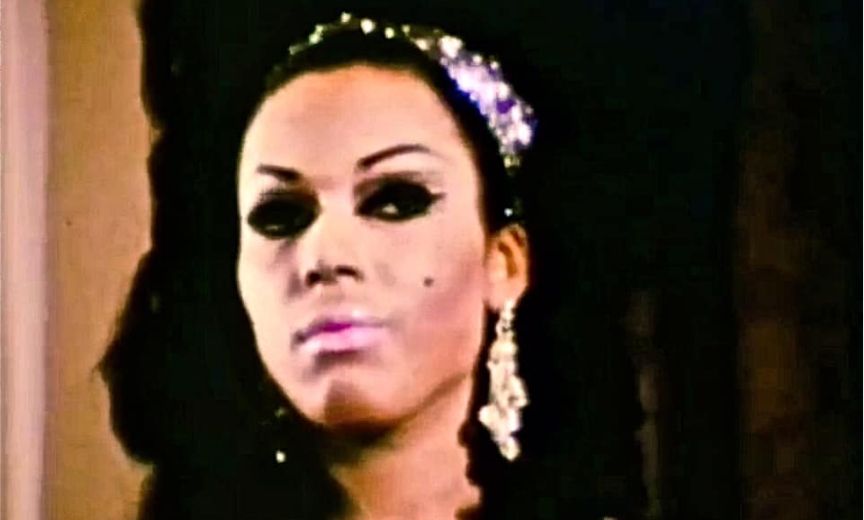
#QueerHeroes Day 25 – Crystal LaBeija of the legendary House of LaBeija.

#QueerHeroes Day 25 – Crystal LaBeija of the legendary House of LaBeija.

In the late 60s-mid 70s, the drag pageants were overwhelmingly white-dominated, so much so that black contestants would score higher if they lightened their skin and succumbed to white palatability.

Crystal LaBeija was not that queen.

While still breaking through that barrier (reigning as Ms. Manhattan), LaBeija famously called out pageant hosts and organizers for rigging a pageant in favor of white queen Jean Harlow.

The event inspired her to form the House of LaBeija, becoming its mother. She would organize the House of LaBeija ball, an all black drag pageant, in Harlem in the early 70s.

With that event, ball culture as we know it began. If you’ve ever quoted Paris is Burning, if you watch Pose or enjoy Drag Race, you have Crystal LaBeija to thank for setting it in motion.

Nearly 50 years later, the House of LaBeija continues to thrive, with artist Kia LaBeija reigning as its mother.

#QueerHeroes Day 24 – Mister Wallace

#QueerHeroes Day 24 – Mister Wallace

Revolutions aren’t only fought on battlefields. More often than not, the most fiery of revolutions begin through sparks ignited by the words and ideas of a society’s artists.

Mister Wallace knows this.

The queer rapper and DJ may be based in Chicago at the moment, but their music is revolutionizing the queer hip-hop scene across the globe. They were born and raised in the Windy City, where they discovered a love for music through church and pop culture. After living in Brooklyn and traveling the world, they now reside in Chicago again, DJing for Darling Shear’s Low Tea at the Ace Hotel and for Dem-O-Lition at Jackhammer Complex—all while releasing music to their eager audience.

Wallace’s latest EP, Cool Mom, is the second of a three-part series, preceded by their first EP, FAGGOT. The album draws from family dynamics and the role maternity plays in the forging of queer togetherness.

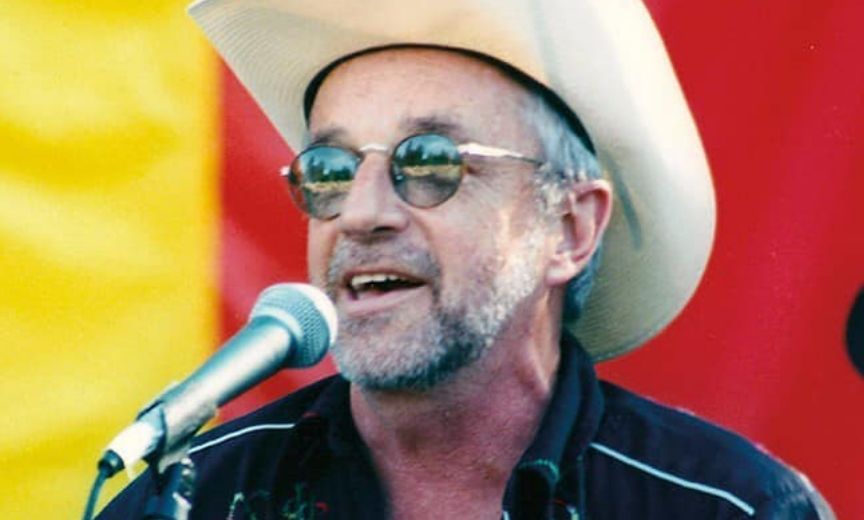
#QueerHeroes Day 23 – Patrick Haggerty

#QueerHeroes Day 23 – Patrick Haggerty

Haggerty was born in 1944 and grew up on a dairy farm in Washington. He came out to his father in 1959. After college, he joined the Peace Corps but was kicked out for being gay.

He was active in the Gay Liberation Front during the 70s, but he’s most famous as the lead guitarist/male vocalist of Lavender Country. Their 1973 debut album was the first unabashedly gay-themed country album. It features such gems as “Cryin’ These Cocksucking Tears” and “Back in the Closet Again.”

This year, the band released its first album since, called Blackberry Rose and Other Songs and Sorrows.

Lavender Country’s music is available on Spotify.

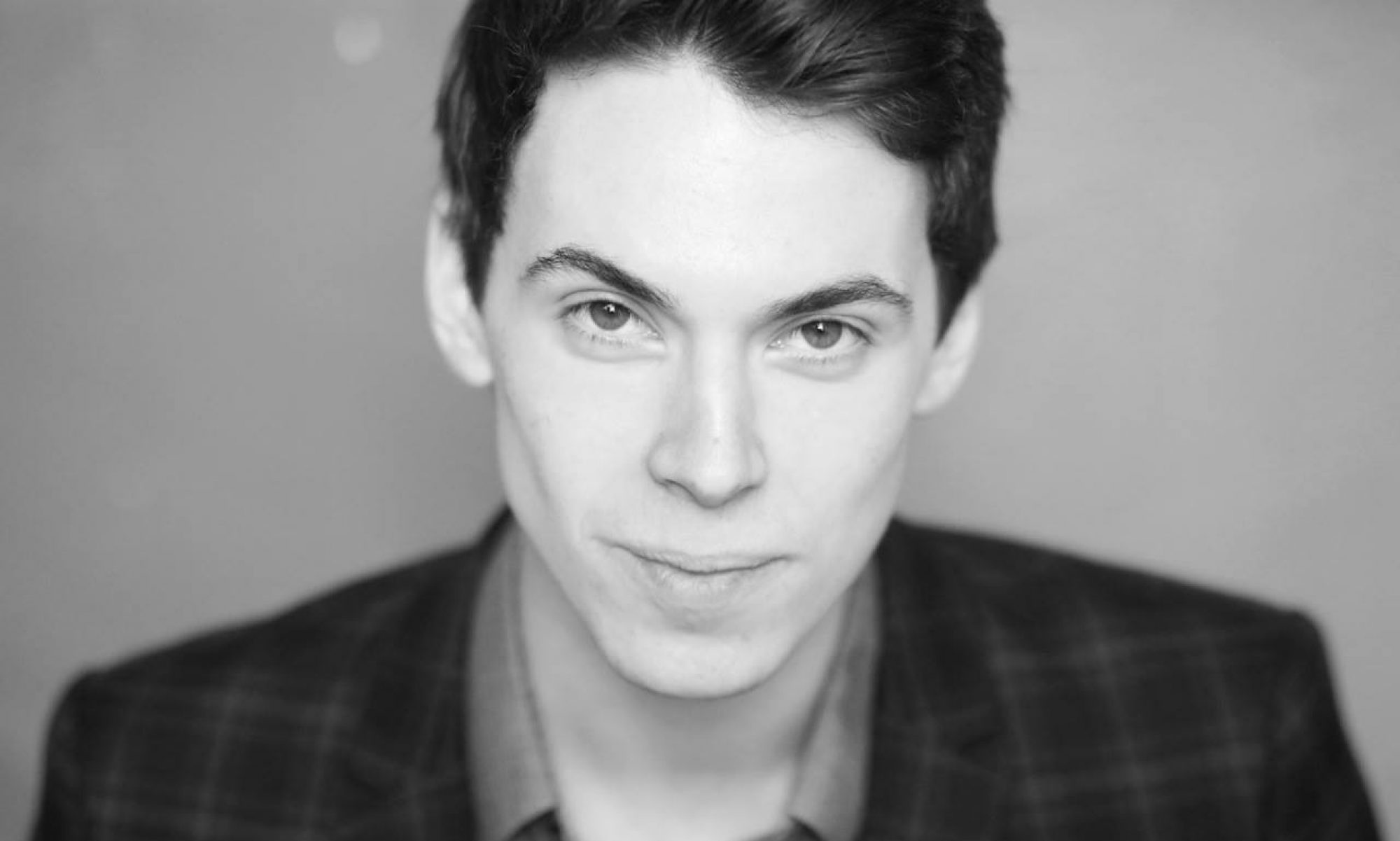
#QueerHeroes Day 22 – Joan Jett Blakk/Terrence Smith 

#QueerHeroes Day 22 – Joan Jett Blakk/Terrence Smith

Terrence Smith began doing drag as Joan Jett Blakk in 1974.

In 1992, she ran a satirical “camp-pain” for President of the United States as a member of the Queer Nation Party. She adopted the slogan “Lick Bush in ’92!” She would attempt to primary Bill Clinton in 1996 with the slogan “Lick Slick Willie in ’96!”

At one point she went onto the floor of the Democratic National Convention in full drag, prompting Republican presidential candidate Pat Buchanan to call the event “the greatest single exhibition of cross-dressing in American political history.”

Her campaigns have gone on to inspire documentaries and a play at Steppenwolf.

Now, she’s been struggling with homelessness. A gofundme has been set up in her name. You can donate to it here.

#QueerHeroes Day 21 – Magnus Hirschfeld

#QueerHeroes Day 21 – Magnus Hirschfeld

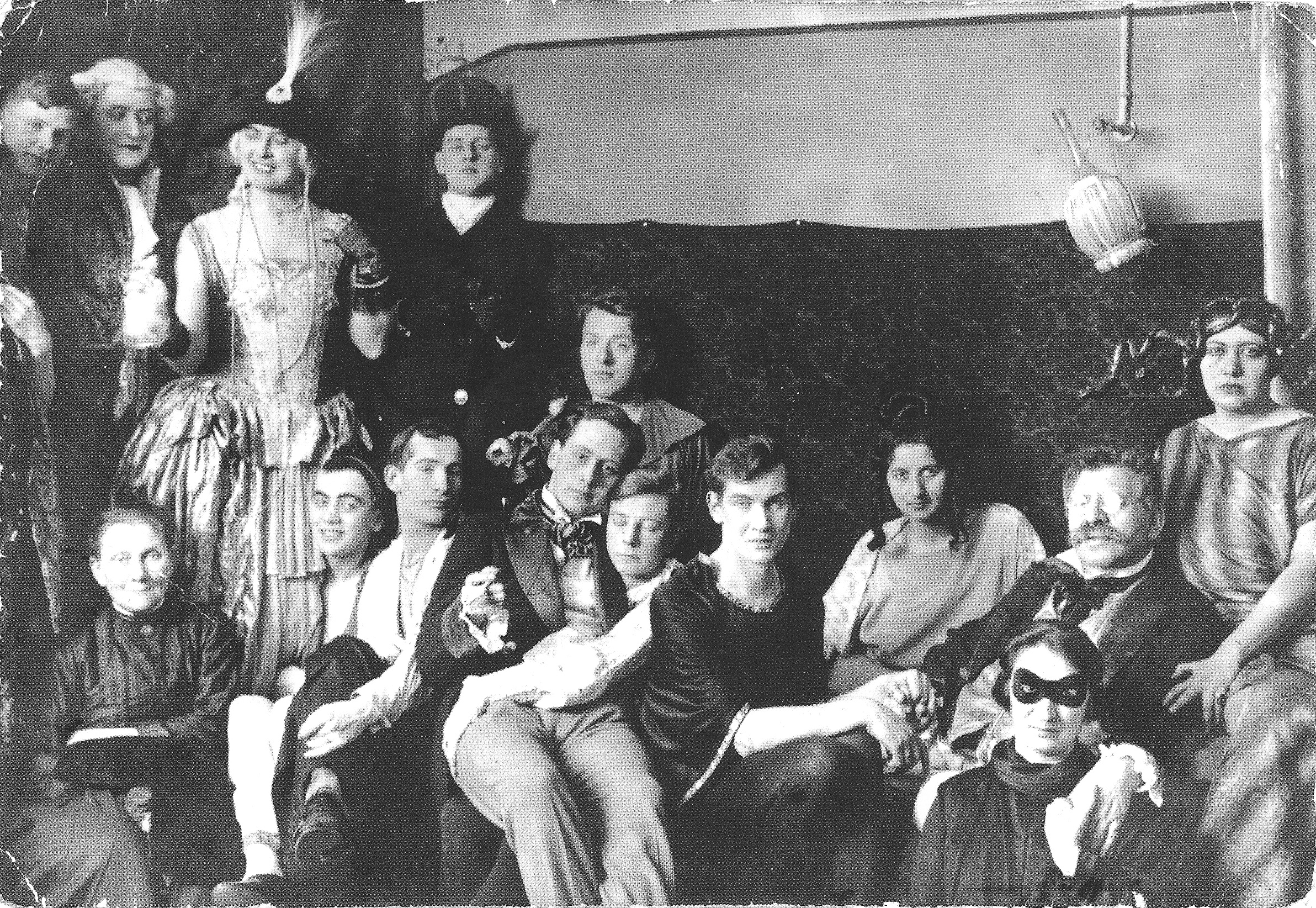
Hirschfeld was a German sexologist who formed the Scientific-Humanitarian Committee in 1897, one of the first advocacy groups for gay and transgender rights.

In 1919, he opened the Institute for Sex Research in Berlin. It became a cultural and scientific hub for queer social reformers, researchers, sociologists and scientists. In the 1930s, it began offering the first modern gender confirmation surgeries. Along with being a shelter for disenfranchised queer people, it housed a wealth of research and studies of gender in its vast library.

Image result for magnus hirschfeld

In 1933, Nazis raided the institute while Hirschfeld was in Switzerland. They burned the entirety of books and archives, totaling about 25,000 pieces. This one act set gender theory and progress back by an untold amount of time.

Hirschfeld was exiled and died in France.