Originally Published to Chosen Magazine on August 7, 2018.
By Evan Brechtel
He had recently alienated our NATO allies at the G7 Summit. After that, in the UK, he’d refused to hear a question from a journalist whose network he didn’t approve of and his presence in the country brought millions to the streets in opposition. Donald Trump’s European tour had already been a disaster. And then, following a pattern that’s still so maddeningly shocking, the president somehow made things worse. Even more shocking: It was the most comfortable he’d seemed the entire trip, with the possible exception of a pit stop for golf in Scotland.
While the entire world watched, the president of the United States sided with a foreign aggressor proven to have sicced his forces upon the validity of our democracy.
In that moment, Vladimir Putin must have been elated. Destabilizing democracy is his specialty. He’d done it to his own country to regain the presidency in 2012. He’d done it with the election of Viktor Yanukovych in the Ukraine in 2010. He’d do it with Brexit, attempt it in France and enjoy possibly his wildest success in the United States. One of his foremost mechanisms to erode democracy, primarily within Russia itself, would be to characterize queerness as a product of the West determined to corrupt Russia. Inspired by the work of Russian Philosopher Ivan Ilyin, Putin would characterize queerness as a Western invention meant to corrupt Russia, therefore making violence against his own queer citizens forgivable, for they’d succumbed to the parasitic West.
This was despite the fact that Russia, in 1923, was the first to decriminalize homosexuality in the West.
According to Sherry Wolf, author of Sexuality and Socialism, the Bolsheviks of that era were not exactly “deeply enlightened about gender or sexuality issues… They were interrogating and investigating the idea of human liberation and they stood in opposition to oppression.” Wolf also describes same-sex weddings during Russia at the time.
And the Bolshevik freedoms didn’t stop at sexuality. Wolf states:
“What is striking to me is that the earliest known sex change operations were happening in the Soviet Union—although I shudder to think about what those were like, given the realities of surgery and of medicine in that era. Women served in the Red Army, serving openly as women. Trans men served in the Red Army as men because they were men, not because they had to hide.”
Around the same time, Russian philosopher Ivan Ilyin would be exiled. Ilyin was initially a staunch supporter of the revolution, however as it developed, he grew more supportive of a regime rooted in Christian fascism. Ilyin described Russia as a virginal organism, susceptible to what he described as Western decadence: a contagion of Western greed, one of whose various spores was sexual immorality.
While Ilyin immortalized his thoughts about the country from which he’d been exiled, Russia would eventually fall to Stalin. During his reign, the freedoms of its queer people would be gradually rescinded, beginning with Article 121:
“Sexual relations of a man with a man (pederasty), shall be punished by deprivation of freedom for a term of up to five years.”
The history of the progressive Bolshevik policies would be censored and, with each generation, fade out of the national memory. In the late Soviet era, officials would claim that AIDS was a disease brought from the West.
A century and numerous leaders later, during his first term as president, Putin would work to revive Ilyin’s influence in Russia. He would be instrumental in returning Ilyin’s body to the country for reburial. As Prime Minister, he would lay flowers on the philosopher’s grave.
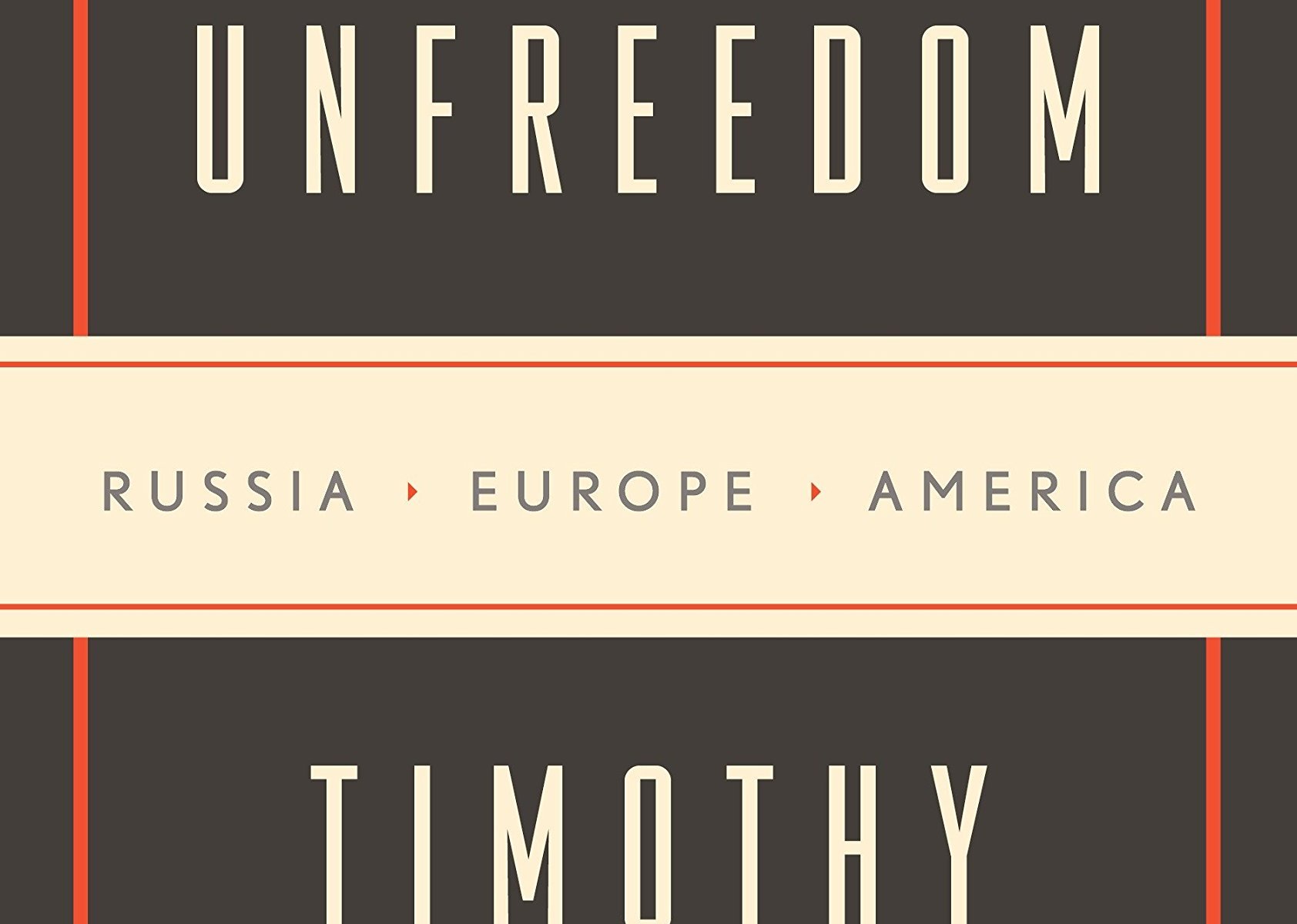
Historian and author of The Road to Unfreedom Timothy Snyder describes the symmetry of Ilyin’s and Putin’s ideologies:
“Ilyin’s scholarly effort followed his personal projection of sexual anxiety to others. First, Ilyin called Russia homosexual, then underwent therapy with his girlfriend, then blamed God. Putin first submitted to years of shirtless fur-and-feather photoshoots, then divorced his wife, then blamed the European Union for Russian homosexuality.”
Putin would eventually tell Angela Merkel of “sexually deformed” forces opposing Russia. His government would dissolve foreign democracies by characterizing protestors as sexual deviants, whose queerness was considered surrender to the West. The fear of what would be described by Putin devotees as “global Satanism…all this homosexual talk, this American democracy” would pervade throughout the country, Eastern Europe, and the world.




 Evan Brechtel