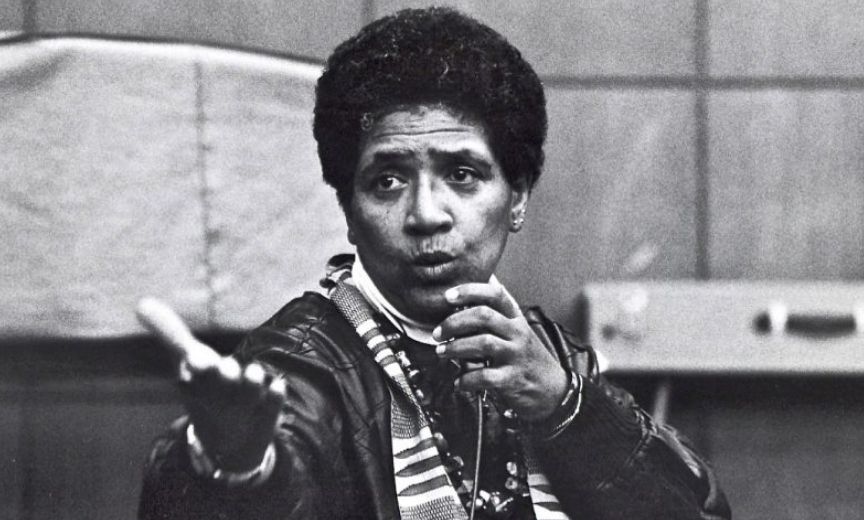
#QueerHeroes Day 11 – Audre Lorde

#QueerHeroes Day 11 – Audre Lorde

“My sexuality is part and parcel of who I am, and my poetry comes from the intersection of me and my worlds. . . . Jesse Helms’s objection to my work is not about obscenity . . .or even about sex. It is about revolution and change. . . . Helms knows that my writing is aimed at his destruction, and the destruction of every single thing he stands for.”

Audre Lorde described herself as “Black, lesbian, mother, warrior, poet.”

She was not only a champion of queer rights, but of civil rights across a vast array of groups. Her work and ideas helped bring the concept of intersectionality to public consciousness. She was famous around Greenwich Village (Frequenting the Waldorf Cafe with James Baldwin) and also had a residency at Tougaloo College in Mississippi (where Alice Walker had a residency around the same time).

Lorde used poetry (and prose) as a weapon to change minds and challenge oppressive ideas.

#QueerHeroes Day 10 – Zaya Wade

Zaya’s bravery is contagious.

Her willingness to be who she is at such a young age not only sets an example, but her family’s public navigation of it—especially in regards to her exemplary father Dwyane Wade—shows families across the country that they can learn from their children just as much as teach them.

This bio is short, because Zaya has only been on this earth for 13 years, but I’m sure her excellence and advocacy will continue to inspire others for decades to come.

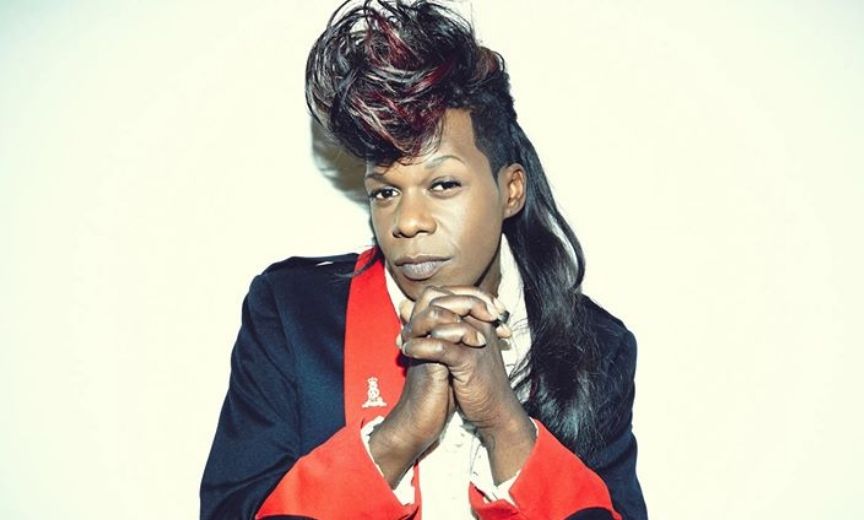
#QueerHeroes Day 9 – Big Freedia

#QueerHeroes Day 9.
Big Freedia

Big Freedia is the queen of New Orleans.

As a child, she was inspired by Salt-N-Pepa and the legendary queer artist Sylvester.

Like Sylvester, her first exposure to music was in her church choir. She became skilled in piano as well.

In the late 90s, she began performing as a backup dancer for the drag queen Katey Redd—who also introduced her to the New Orleans hip hop genre Bounce.

In the wake of Katrina in 2005, she was displaced to Texas where she began performing Bounce shows for the locals, spreading the genre’s influence throughout the South.

She came back to New Orleans, performing as many as ten shows a week while the city was fighting to come back. Before long, she was a local celebrity.

In 2010, she released Big Freedia Hitz Vol. 1 on her own label. By that summer, she was on tour with features in the New York Times, the Village Voice, and appearances at the MoMa and on late night television shows.

In 2016, her voice became famous all over the world when it was featured in Beyoncé’s hit single Formation.

In addition to all this, she continues to run an interior design business and maintains her deep roots in New Orleans.

I got to see her perform in New Orleans last summer and I don’t think I’ve ever seen a city more connected to a performer and vice versa.

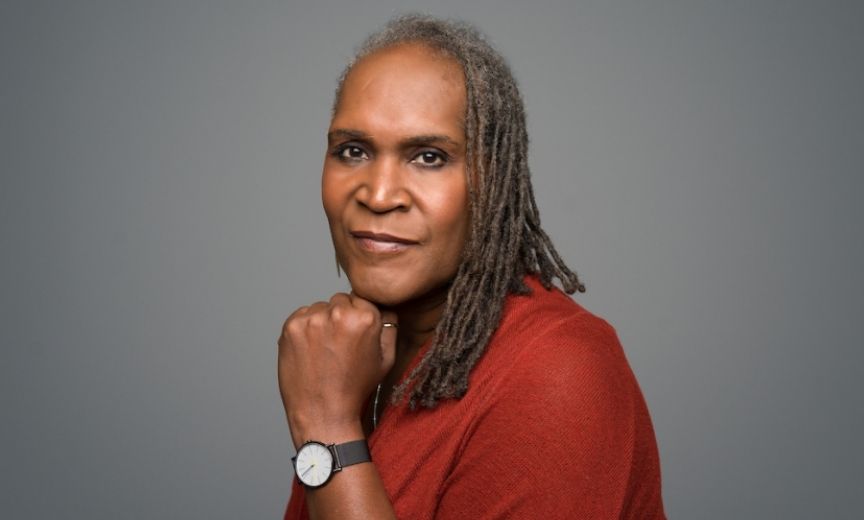
#QueerHeroes Day 8 – Andrea Jenkins

#QueerHeroes Day 8
Andrea Jenkins.

In 2017, Andrea Jenkins became the first Black trans woman elected to public office in the United States and now serves as the Vice President of the Minneapolis City Council.

You may have seen her sing Amazing Grace at a press conference in Minneapolis in the days following George Floyd’s murder by police.

After coming out as trans at 30, she earned her bachelors degree from Metropolitan State University before earning two Master’s degrees in creative writing and community economic development.

She was thriving as a playwright and a curator of the Transgender Oral History Project. She advised officials on policy positions regarding LGBTQ issues and community development issues.

Then Donald Trump was elected, and she decided to run for office. She recalled thinking, “I got to step into the fray. I can’t leave this to the crazies.”

Just yesterday, Jenkins played a crucial role in the Minneapolis City Council’s commitment to dismantle the city’s police department in favor of a new, community-based public safety system.

Jenkins is a founder of the Trans United Fund, which works to empower trans activists through elections and influence. You can donate to them here.

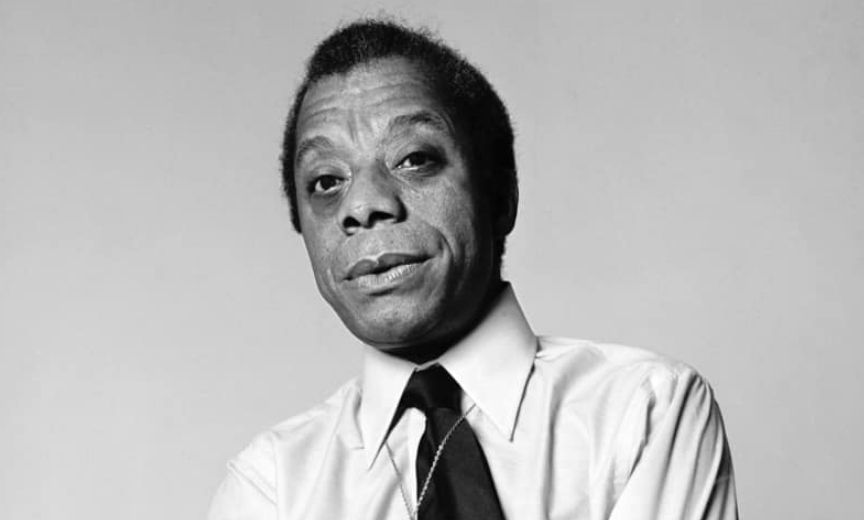
#QueerHeroes Day 7 – James Baldwin

#QueerHeroes Day 7.
James Baldwin.

Baldwin’s first novel, Go Tell it on the Mountain, was widely praised when it came out in 1953. However, when he went to his publisher with his second novel, Giovanni’s Room, he was told to burn it. The book didn’t shy away from bisexuality or homosexuality and was met with controversy in 1956.

Baldwin’s activism was transformative. He moved back to the U.S. from Paris in the late 50s before traveling to Montgomery, Alabama to interview those living under Jim Crow. By the 60s, he was giving lectures on civil rights at college campuses all over the country, and the audiences were widely white liberals. Soon, his assessments of race in America and his accounts of being Black in America were too rallying for the American populace to ignore.

His insight would be invaluable to lawmakers. After expressing to Robert Kennedy that the U.S. Government was widely responsible for violence arising in Birmingham, the two met for breakfast at Kennedy’s apartment. A second meeting came later and with other formidable activists: Harry Belafonte, Lorraine Hansberry, Lena Horne, and others. Baldwin would be instrumental in coordinating the March on Jobs and the wave of civil disobedience following the Birmingham church bombing.

His body of work ranges from novels to plays to essays to short stories. Baldwin was a force and—like his comrades Hansberry, Belafonte, and Horne—knew that art and artistry are some of the most useful weapons against evil.

“I think that no one any longer can be fooled about the intentions of the American government because they’ve made it perfectly clear. And that may be the most healthy thing that has happened in this time. Nobody, after all, can say anything for the present administration. It represents the American illusion that it’s a white country, that it’s a white world and that they can make it a white universe — the moon is our first colony.” -James Baldwin in a 1970 interview for Come Out!, the Gay Liberation Front magazine.