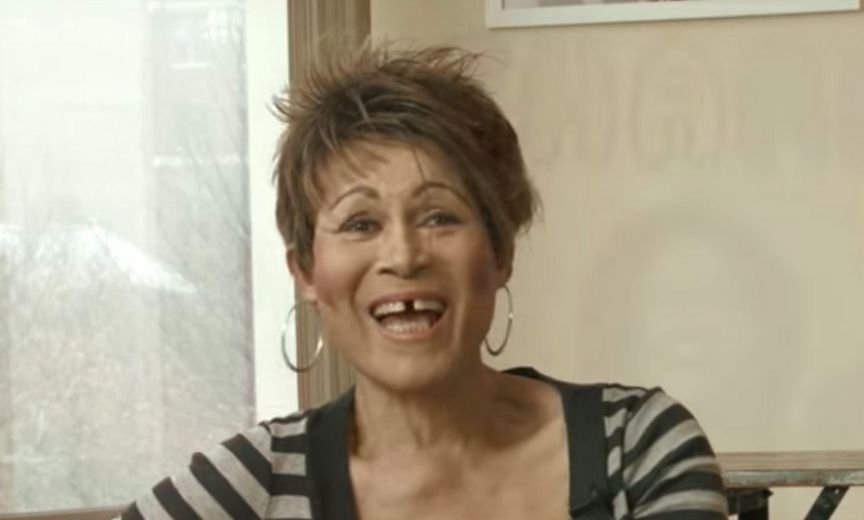
#QueerHeroes Day 20 – Gloria Allen

#QueerHeroes Day 20.
Gloria Allen

It takes a village to raise a child, but it takes someone like Gloria Allen to raise the village in the first place.

After retiring from her position as a registered nurse, she became frustrated with the resources and subsequent positions fellow trans women of younger generations experienced.

So “Mama Gloria”—as she is known in trans circles in Chicago—started a charm school for trans and gender nonconforming people.

But it wasn’t just etiquette classes that she taught. She taught how to build a community.

“Some [of the students] came from homes—they had parents—but their parents weren’t understanding of their gender and some were tossed out,” Allen said. “They need to know you don’t do a child like that. You don’t do anybody like that because we are all different.”

In addition to teaching style and comportment, Gloria taught them how to practice safe sex, how to navigate hormone therapy, and how to escape cycles of abuse.

Gloria Allen is a shining example of part of what makes queer people so beautiful: Our ability to build a lineage and a legacy, not through blood, but out of showing others like us that they don’t deserve to be alone.

A play based on Gloria’s work—”Charm” by Philip Dawkins—premiered in New York in 2017.
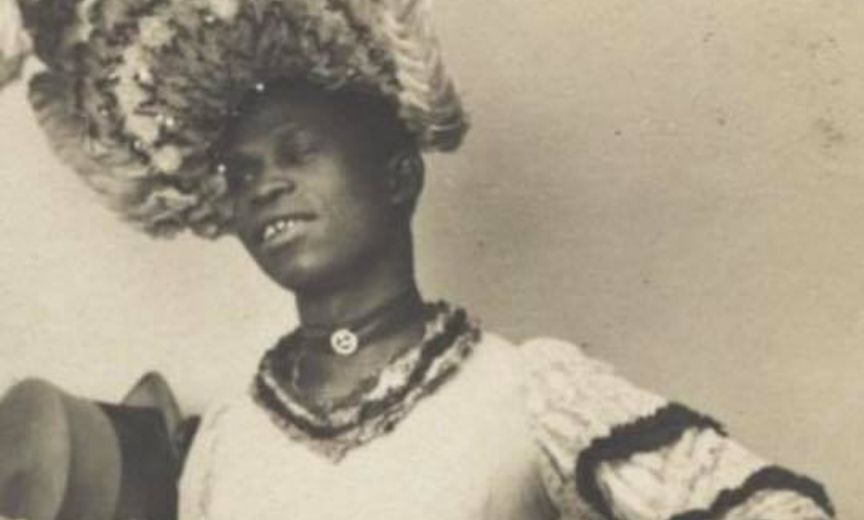
#QueerHeroes Day 19 – William Dorsey Swann/The Queen

#QueerHeroes Day 19
William Dorsey Swann/The Queen

Today is Juneteenth, which celebrates when the Emancipation Proclamation was read aloud to slaves in Texas—the last state left for it to be announced, two years after the proclamation was issued.

The first self-proclaimed drag queen was a freed slave.

William Dorsey Swann was born in the 1850s in Hancock, Maryland and became free when the Emancipation Proclamation came into effect.

In the 1880s, he organized underground drag balls in the DC area, where he and other former slaves would gather to dance in their dresses. The invitations had to be extended in secret.

Swann called himself “the Queen of Drag”—the first time the equivalent of the words “drag queen” appear in recorded history.

In 1888, a headline appeared: “Negro Dive Raided. Thirteen Black Men Dressed as Women Surprised at Supper and Arrested.”

Swann was arrested in the first documented case of a raid for female impersonation in the United States. His parties would be raided for many more times to come.

In 1898, he spent ten months in jail on a false accusation of running a brothel. When he demanded a pardon from President Grover Cleveland, Swann became the first American to take specific legal steps against the persecution of Queer people.

He eventually withdrew from drag events, but his brother continued to make costumes for the drag community.

A book on Swann’s life by Channing Gerard Joseph is set for publication in 2021.

#QueerHeroes Day 18 – Sister Rosetta Tharpe

#QueerHeroes Day 18
Sister Rosetta Tharpe

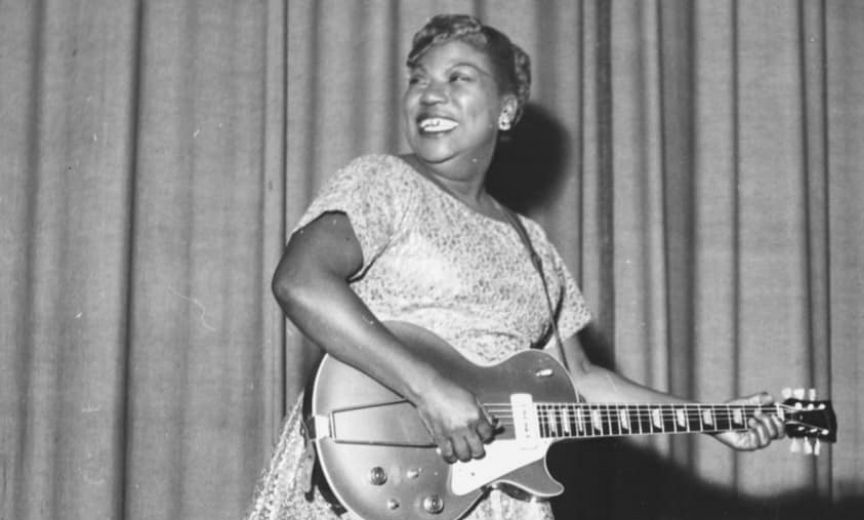
This Black lesbian gospel singer was the godmother of Rock and Roll. Her sound was different than anyone else’s at the time not just because of her stunning voice, but because she would heavily increase the distortion on her electric guitar, giving it an added grit that, by the 60s, would become the sound of the nation.

Tharpe would mentor Little Richard and heavily “influence” artists like Johnny Cash and The Beatles.

She had a long open secret relationship with fellow singer Marie Knight, beginning in the 40s.

Her recording career halted in the 70s after a debilitating stroke. She succumbed to a second stroke a few years after, on the night before a comeback recording session.

She was inducted in the Rock and Roll Hall of Fame in 2018.

#QueerHeroes Day 17 – Alvin Ailey

#QueerHeroes Day 17.
Alvin Ailey

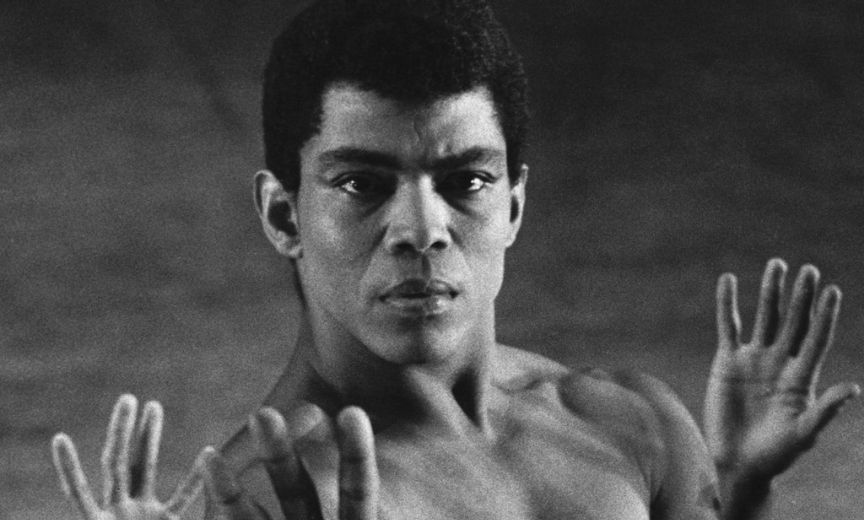
Ailey was born in Texas in the middle of the Great Depression. He and his mother spent much of his childhood picking cotton and working as a domestic worker for white people. At night, he would sneak out to watch adults in nightclubs dance.

He moved to LA in high school and saw a concert dance performance at the Philarmonic Auditorium that ignited a new passion inside him.

He began studying dance in 1949 under the renowned Lester Horton at one of the first integrated dance schools in the country.

After moving to San Francisco to pursue academia, he began a nightclub act called “Al and Rita” with his friend Marguerite Johnson—a woman you know as Maya Angelou.

He began dancing with Lester Horton’s troupe but when Lester died suddenly, Ailey was the only one willing to take over as artistic director and head choreographer.

By 1958, he created his most influential legacy: The Alvin Ailey American Dance Theater. Ailey envisioned a troupe combining thousands of years of dance tradition to embody the commonality of the Black experience in America through movement.

The company toured the world to critical and audience acclaim and Alvin Ailey remains one of the most influential figures in modern dance.

He died of AIDS in 1989, but the Alvin Ailey American Dance Theater is in it 62nd year.

It has its own state of the art building in Hell’s Kitchen, Manhattan where his legacy lives on in the movements of some of the most revelatory dancers the world has ever seen.

#QueerHeroes Day 16 – Bayard Rustin

#QueerHeroes Day 16.
Bayard Rustin

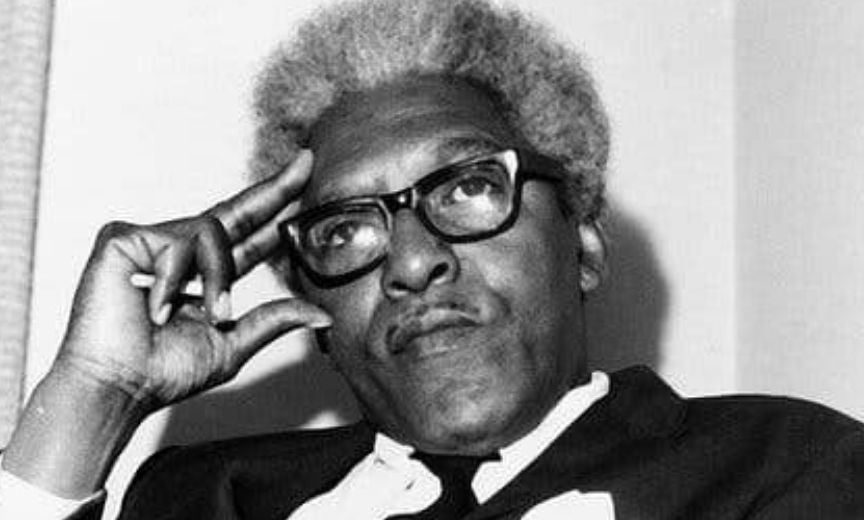
Rustin was born in 1912. His mother was a Quaker. He moved to Harlem in 1937 and his civil rights work quickly began garnering attention, including his work to free the wrongly accused Scottsboro Boys.

He began orchestrating some of America’s earliest freedom rides down South in the 1940s. That decade, he also went to India to learn methods/philosophies of nonviolent resistance.

In the 50s, he was arrested for “sex perversion” and served two months in jail. His homosexuality became public and immediately halted a path that was going to make him one of the foremost faces of the civil rights movement.

He was fired from the Fellowship of Recreation. But his involvement in the movement was never self-serving, it was always centered around liberation. Even though he couldn’t be the face of the movement, his work behind the scenes for it would still make him a vital organizer and activist—most primarily to Dr. Martin Luther King Jr.

His sexuality ostracized him from many other civil rights leaders, nevertheless he went on to organize the historic Jobs March on Washington.

Rustin died in 1987.