“The City and the Pillar” by Gore Vidal

The City and the Pillar was originally published in 1948. I account for history when I read pieces like this, so the ending I read (Vidal published a second ending after the first was criticized by even the book’s admirers) was relatively expected. Vidal’s narrative voice is exquisite but I found it harder to devour his fiction in the same way as his essays and interviews. Regardless, the skills that made Vidal an icon still reverberate through this book, which caused quite the scandal in 1948.

“The Gay Metropolis” by Charles Kaiser


I’m currently halfway through this work and it’s absolutely thrilling. In documenting the evolution of gay life and gay rights in America, Kaiser defines decades through anecdotes, rather than presenting a sterile or long-winded regurgitation of events. This format not only helps the reader retain defining characteristics of each decade from the 1940’s to the 1990’s, but it endows each story with a sense of intimacy—almost like someone’s telling you the story at a bar—that makes for truly compelling nonfiction.

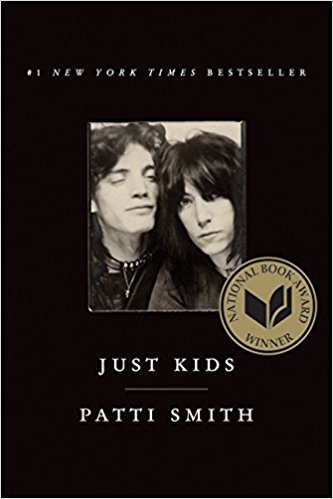
“Just Kids” by Patti Smith

I’d only heard a few Patti Smith songs before reading this book (after it was endlessly recommended to me). Covering her friendship with photographer Robert Mapplethorpe in boho 60’s and 70’s New York, it’s a story of dependence and the inevitable forks in the road laid by success. Smith has such an exquisite, knowledgeable mind that her constant allusions can begin to seem esoteric or even pretentious, but it’s nothing that a quick google search didn’t amend. The very ink is riven with her love for Mapplethorpe, rendering a story of two friends into a moving epic with cameos by the likes of Janis Joplin, Jimi Hendrix, Allen Ginsberg, Sam Shepard, and others.

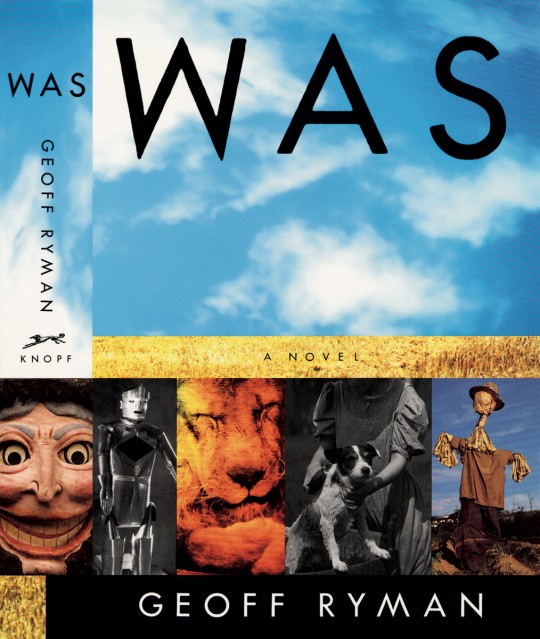
“Was” by Geoff Ryman

As devout a Judy Garland fan as I am, I’ve never been much of an admirer of “The Wizard of Oz.” I always found it to be a wash of superficial bubbliness. I think that’s why I adore Was. Jumping from the “real” Dorothy in 1890’s Kansas to a dying gay actor in the 1980’s (with a Judy Garland cameo in between), the book examines the underbelly of how we all have a relationship to this story, for better or worse.

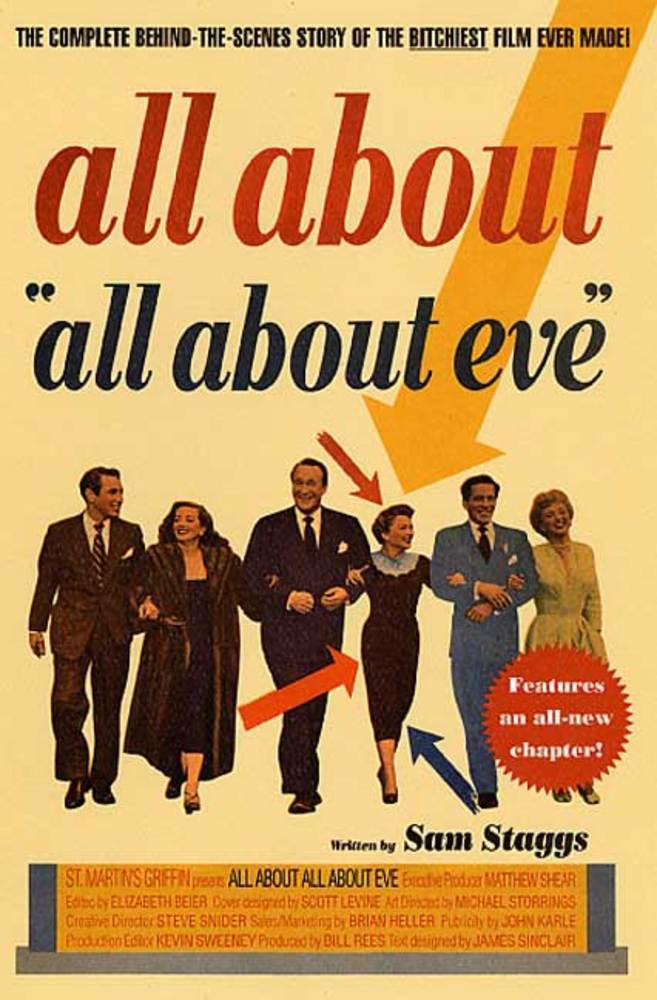
“All About ‘All About Eve'” by Sam Staggs

This is a rigorous look into the origins, development, and subsequent influence of one of my favorite movies ever. Though it feels somewhat like a tabloid at moments and Staggs occasionally grasps at straws to make connections that aren’t there, it’s exhaustively researched and I’ve never watched “All About Eve” the same since.