#QueerHeroes Day 6 – Willi Ninja

#QueerHeroes Day 6 – Willi Ninja

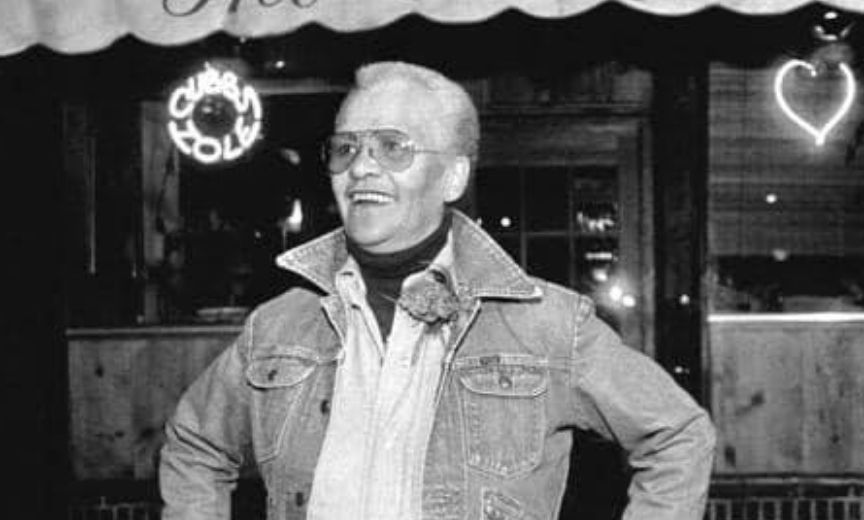
Ninja was born in 1961. He’s known as The Godfather of Vogue.

He was a relative newcomer to the Harlem Vogue balls when he formed the House of Ninja, becoming its mother.  He called it “Ninja” because they hit hard and they hit fast.

The unwritten standard for forming a house was that a queen win three grand prizes, which Ninja hadn’t done. Nevertheless, Ninja’s mix of martial arts with Vogue would reflect the vivid imagination that guided his house to immortality.

Ninja died of AIDS related heart failure in 2006.

#QueerHeroes Day 5 – Jean-Michel Basquiat

#QueerHeroes Day 5
Jean-Michel Basquiat

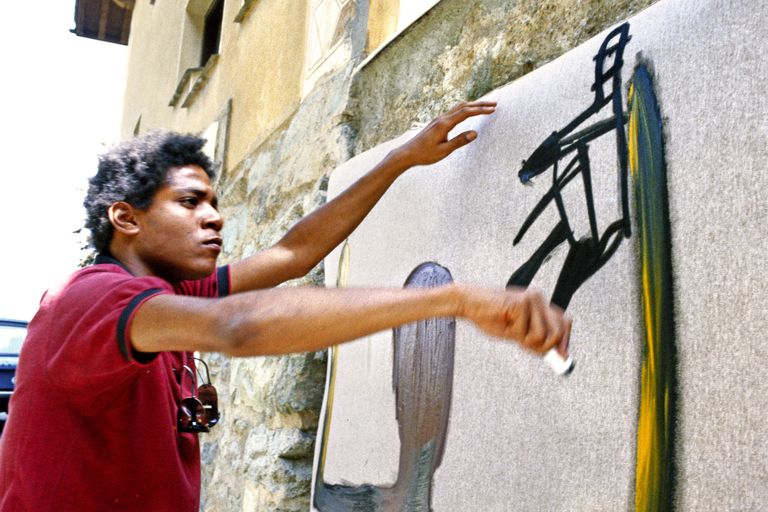
Basquiat was born in Brooklyn in the 60s. Poor and often homeless in his youth, he and a friend began collaborating on graffiti murals downtown under the name SAMO.

SAMO became an underground celebrity. Soon, a homeless Basquiat went from selling paintings and tee shirts on the streets to selling paintings for thousands.

From World of Wonder:

“Basquiat’s big break came with a gallery show in 1981. He presented 15 pieces on lumber and foam rubber found in the rubbish. The pieces were filled with childlike drawings of cars and cartoon characters. All of the work sold at the opening. A demand for original Basquiats only grew stronger and they sold as fast as he could paint them, going for $5,000 – $10,000.”

Image may contain: outdoorHis work teemed with a rage and rebellion that’s cathartic to look at, but he was more than just a painter. He was a poet, a musician, and an overall creative force. A running theme throughout his work is the dichotomy that inequality foists upon society: rich and poor, black and white, etc, as well as offering a visual representation of the torment colonization unleashes onto its victims.

Legends like fellow graffiti artist Keith Haring and Andy Warhol became his lifelong friends. Warhol was particularly inspired by his work, so much that the two did a joint show at Palladium.

Basquiat died of a heroin overdose at 27, but his work lives on forever. This bio isn’t nearly thorough enough to honor his legacy, so I wholeheartedly encourage you to research him further.
#QueerHeroes Day 4 – Stormé Delarverie

#QueerHeroes Day 4
Stormé Delarverie

She was born in New Orleans to a black mother and white father (her mother was employed by her father’s family). She rode horses for the Ringling Brothers as a teenager. She realized at 18 that she was gay.

Embracing her identity as a butch lesbian, she toured the black theatre circuit as a drag king with the Jewel Box Revue, often performing at the Apollo Theatre.

She went for a drink at Stonewall on June 28, 1969. When the infamous raid occurred, she and other witnesses say she began tussling with the cops, encouraging others to do so.

Her dedication to fighting back wouldn’t end there. Well into her 80’s, she would patrol the lesbian bars of the West Village with a gun, ready to defend against anyone harassing her “baby girls.” She also organized benefits for battered women and children.

She died in her sleep in 2014. Her obituary in the New York Times likened her to a “gay superhero.”

#QueerHeroes Day 3 – Sister Rosetta Tharpe

#QueerHeroes Day 3
Sister Rosetta Tharpe

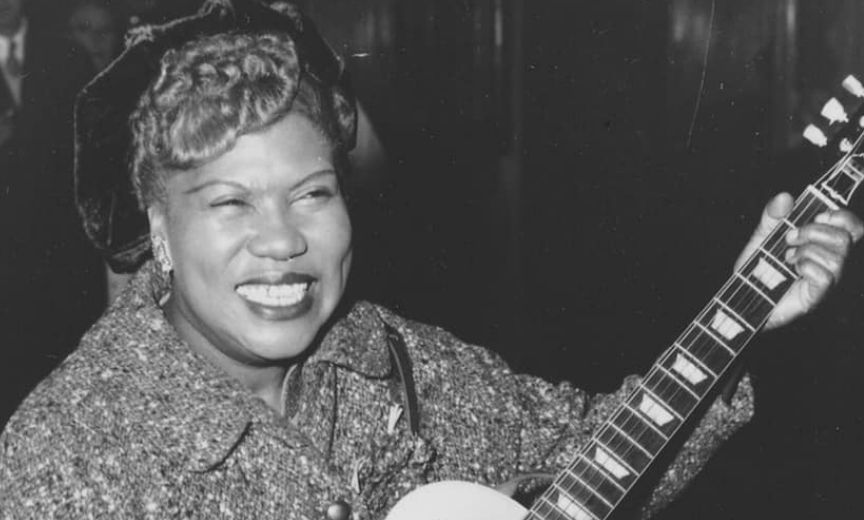
This black lesbian gospel singer was the godmother of Rock and Roll. Her sound was different than anyone else’s at the time not just because of her stunning voice, but because she would heavily increase the distortion on her electric guitar, giving it an added grit that, by the 60s, would become the sound of the nation.

Tharpe would mentor Little Richard and heavily “influence” artists like Johnny Cash and The Beatles.

She had a long “open secret” relationship with fellow singer Marie Knight, beginning in the 40s.

Her recording career halted in the 70s after a debilitating stroke. She succumbed to a second stroke a few years after, on the night before a comeback recording session.

She was inducted into the Rock and Roll Hall of Fame last year.

#QueerHeroes Day 2 – Emma Gonzalez

#QueerHeroes Day 2
Emma Gonzalez.

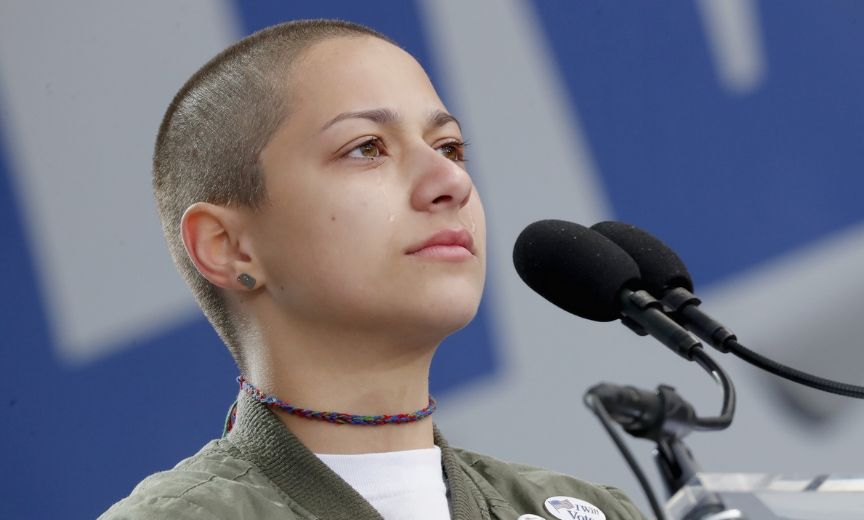
Like too many other Americans, Emma’s life was changed forever by gun violence. A student burst into her school, Marjory Stoneman Douglas High, with an AR-15. Seventeen people died that day, but Emma made it her life’s work to honor them.

She went on to organize the March for our Lives, as well as the foundation that shares its name, using her platform to call for common sense gun law reform, so that fewer people will have to endure the pain she did that day.

This week, 12 people died in a shooting at a Virginia Beach municipal complex. It was the 150th mass shooting this year, occurring on the 151st day of 2019.