#QueerHeroes Day 16 – Lady Gaga

#QueerHeroes Day 16 – Lady Gaga

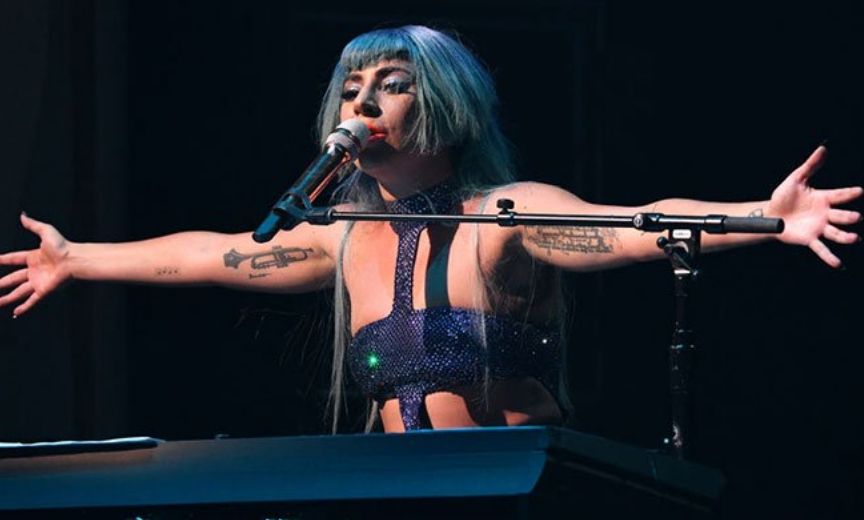
I’ll never forget watching Lady Gaga’s acceptance speech for the Fame Monster at the 2010 VMAs. She announced her upcoming single, “Born This Way” and sang the chorus to a wowed audience. It was right before I came out of the closet, and a year later, I’d run out of school to listen to it for the first time in my 2000 Camry.

A bisexual woman horrified at the onslaught of queer teen suicides, Gaga founded the Born This Way foundation in 2011. It’s raised hundreds of thousands of dollars to create a “braver, kinder world” for queer youth. It’s an important cause to her because she was relentlessly bullied herself until finding a niche in the dive bars she’d perform at in New York’s lower east side.

Over the years I’d listen to Judas on my way to confirmation class, I’d write a strongly worded letter to the editor of the school newspaper pointing out that the Hitchcock allusions in Bad Romance were not superficially sexual pop lyrics. I’d find myself constantly defending this woman, feeling a kinship in a way I’d never felt for a celebrity before.

Her fashion was dismissed as a gimmick. America’s obsession with her was decried as a phase. People claimed there was no sincerity in her, and now she’s come so far. I’m so proud that this legend is a part of our community.


#QueerHeroes Day 15 – Sappho

#QueerHeroes Day 15 – Sappho

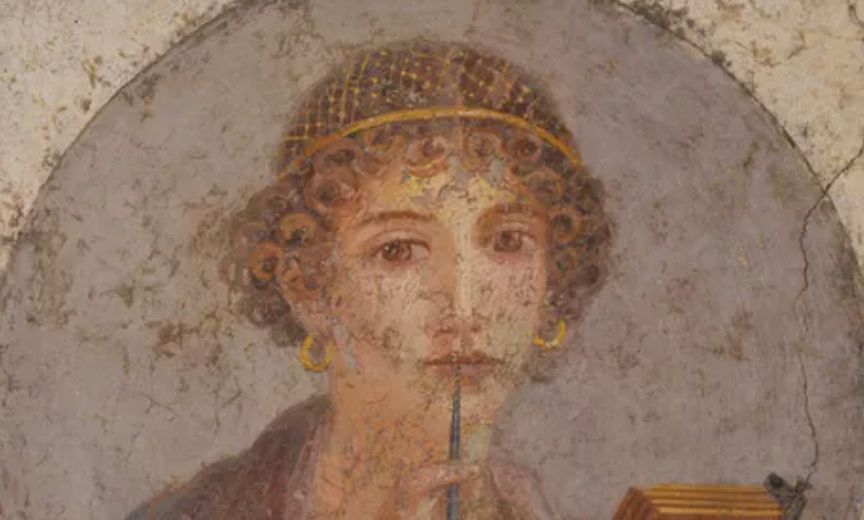
Very little is known about Sappho’s life. She was born around 615 BC on the island of Lesbos and soon became one of the foremost poets and teachers of Ancient Greece, with Plato referring to her as “the tenth muse.”

Her face appeared on currency and she remains immortal for being one of the only ancient female poets whose work remains commonly discussed today.

Her poems only survive in fragments, but they’re still arresting.

“Fragment 31 V

He seems to me to be like the gods–
whatever man sits opposite you
and close by hears you
talking sweetly

And laughing charmingly, which
makes the heart within my breast take flight;
for the instant I look upon you, I cannot anymore
speak one word,

But in silence my tongue is broken, a fine
fire at once runs under my skin,
with my eyes I see not one thing, my ears
buzz,

Cold sweat covers me, trembling
seizes my whole body, I am more moist than grass;
I seem to be little short
of dying…

But all must be ventured….”


#QueerHeroes Day 13 – Dr. Roxane Gay

#QueerHeroes Day 13 – Dr. Roxane Gay

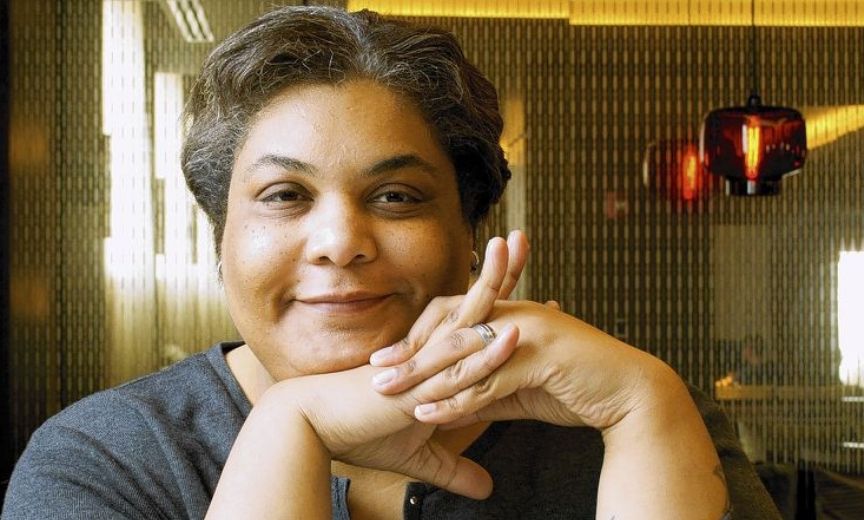
A bisexual Haitian-American, Roxane Gay is a writer, editor, professor, commentator, theorist, and scrabble champion.

She may be most noted for her essay collection Bad Feminist. The shows/cultural moments many people consider guilty pleasures, she dissects and allows us to see them in a new light.

In addition to Bad Feminist, she edited a series of essays about sexual assault survival called Not That Bad: Dispatches from Rape Culture. She also wrote a spellbinding memoir about her relationship with weight as a method of defense called Hunger: A Memoir of (My) Body.

There’s so much more about her persona and body of work that this brief bio doesn’t justify, so please read her work. You won’t be disappointed.

She currently has a podcast on Luminary with Professor Tressie McMillan Cottom called Hear to Slay, and it’s essential listening.

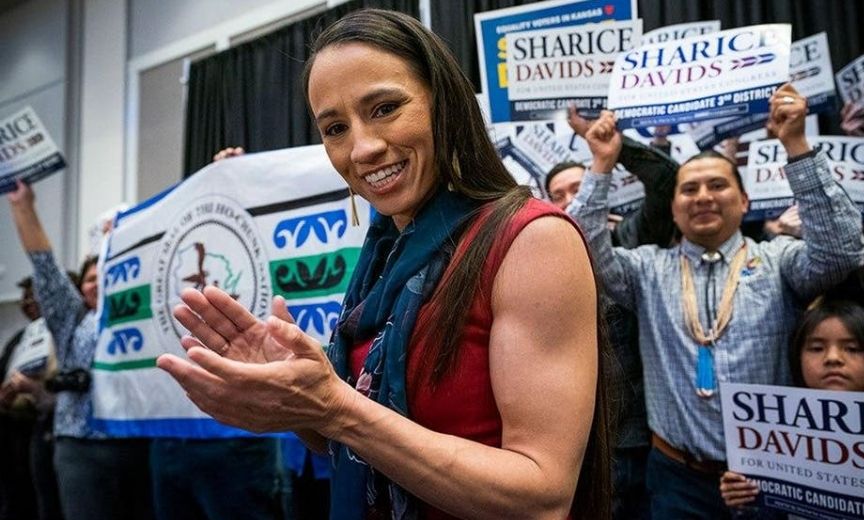
#QueerHeroes Day 13 – Congresswoman Sharice Davids

#QueerHeroes Day 13 – Congresswoman Sharice Davids

In many ways, Sharice Davids is defined by firsts.

A member of the Ho-Chunk Nation of Wisconsin, she is the first indigenous woman to be elected to Congress (along with the exemplary Deb Haaland, a Laguna Pueblo, of New Mexico). She’s also the first LGBT indigenous person elected to Congress along with the first openly queer person elected to Congress from Kansas.

After graduating from Cornell Law but before her historic election, she was an MMA fighter with a 5-1 win:loss ratio as an amateur fighter.

She defeated a republican incumbent to represent Kansas’s 3rd District—the first dem elected to represent a Kansas district in ten years.

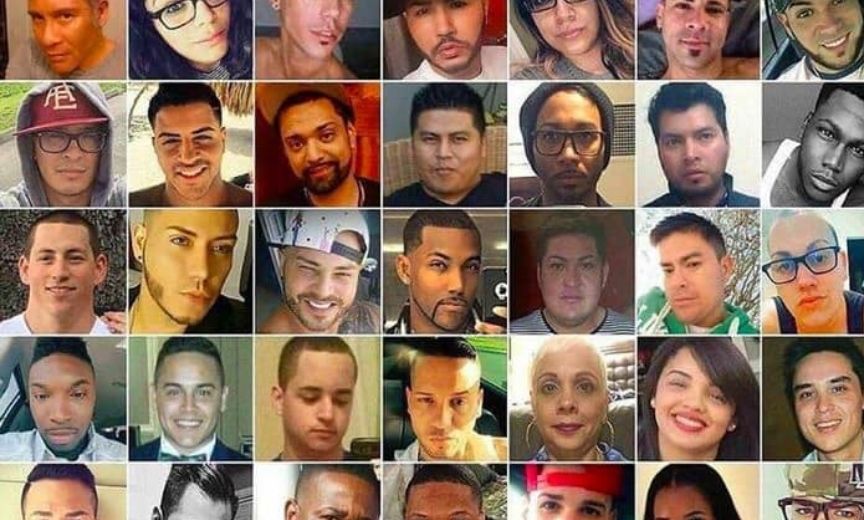
#QueerHeroes Day 12 – The Pulse Shooting Victims

#QueerHeroes Day 12

Stanley Almodovar III

Amanda L. Alvear

Oscar A. Aracena Montero

Rodolfo Ayala Ayala

Antonio Davon Brown

Darryl Roman Burt II

Angel Candelario-Padro

Juan Chavez Martinez

Luis Daniel Conde

Cory James Connell

Tevin Eugene Crosby

Deonka Deidra Drayton

Simón Adrian Carrillo Fernández

Leroy Valentin Fernandez

Mercedez Marisol Flores

Peter Ommy Gonzalez Cruz

Juan Ramon Guerrero

Paul Terrell Henry

Frank Hernandez

Miguel Angel Honorato

Javier Jorge Reyes

Jason Benjamin Josaphat

Eddie Jamoldroy Justice

Anthony Luis Laureano Disla

Christopher Andrew Leinonen

Alejandro Barrios Martinez

Brenda Marquez McCool

Gilberto R. Silva Menendez

Kimberly Jean Morris

Akyra Monet Murray

Luis Omar Ocasio Capo

Geraldo A. Ortiz Jimenez

Eric Ivan Ortiz-Rivera

Joel Rayon Paniagua

Jean Carlos Mendez Perez

Enrique L. Rios, Jr.

Jean Carlos Nieves Rodríguez

Xavier Emmanuel Serrano-Rosado

Christopher Joseph Sanfeliz

Yilmary Rodríguez Solivan

Edward Sotomayor Jr.

Shane Evan Tomlinson

Martin Benitez Torres

Jonathan A. Camuy Vega

Juan Pablo Rivera Velázquez

Luis Sergio Vielma

Franky Jimmy DeJesus Velázquez

Luis Daniel Wilson

Jerald Arthur Wright

Every queer person in America remembers the feeling we had three years ago tonight. The Pulse Massacre was a searing reminder that being queer in public is, and always has been, an act of rebellion. No matter how comfortable some of us get, until we are on an equal societal footing (which necessitates dismantling systems of not just queer oppression, but ALL oppression, for queer people exist within every oppressed group), our public existence will always be dissent. Horrifically and tragically, these heroes were reminded of that three years ago today.

I heard the news in the middle of a shift at work and found myself fighting tears the whole night. I went home and finally sobbed with my roommate. For white, cis gays like me, queer oppression often feels like an asterisk; a footnote in a long book—I know it’s there, but in most instances, I can ignore it if I choose because my life isn’t directly threatened and my existence is always validated. I have the luxury of treating it as forgettable because it’s, honestly, often undetectable. Most of the queer community doesn’t have that luxury.

These heroes died celebrating our collective, rebellious, radical joy. Not all were queer, but when my imagination gets the better of me and I visualize those horrific final moments, I can’t bring myself to make it matter, especially not enough to dive into who was and who wasn’t.

From The Upstairs Lounge to Pulse and all before, between, and after, I know in my heart that our collective life force will extinguish the hideous death that constantly shows its face. But only if we (especially those in the community) stop ignoring it.